The LGBTQIA+ acronym is a vivid and ever-evolving tribute to the myriad expressions of gender identity and sexual orientation in the broad fabric of human diversity. The rich history of each letter and the tenacity of the community it represents captivate me endlessly as a psychologist.
Let us embark on a journey through time, unraveling the threads of this rainbow tapestry...
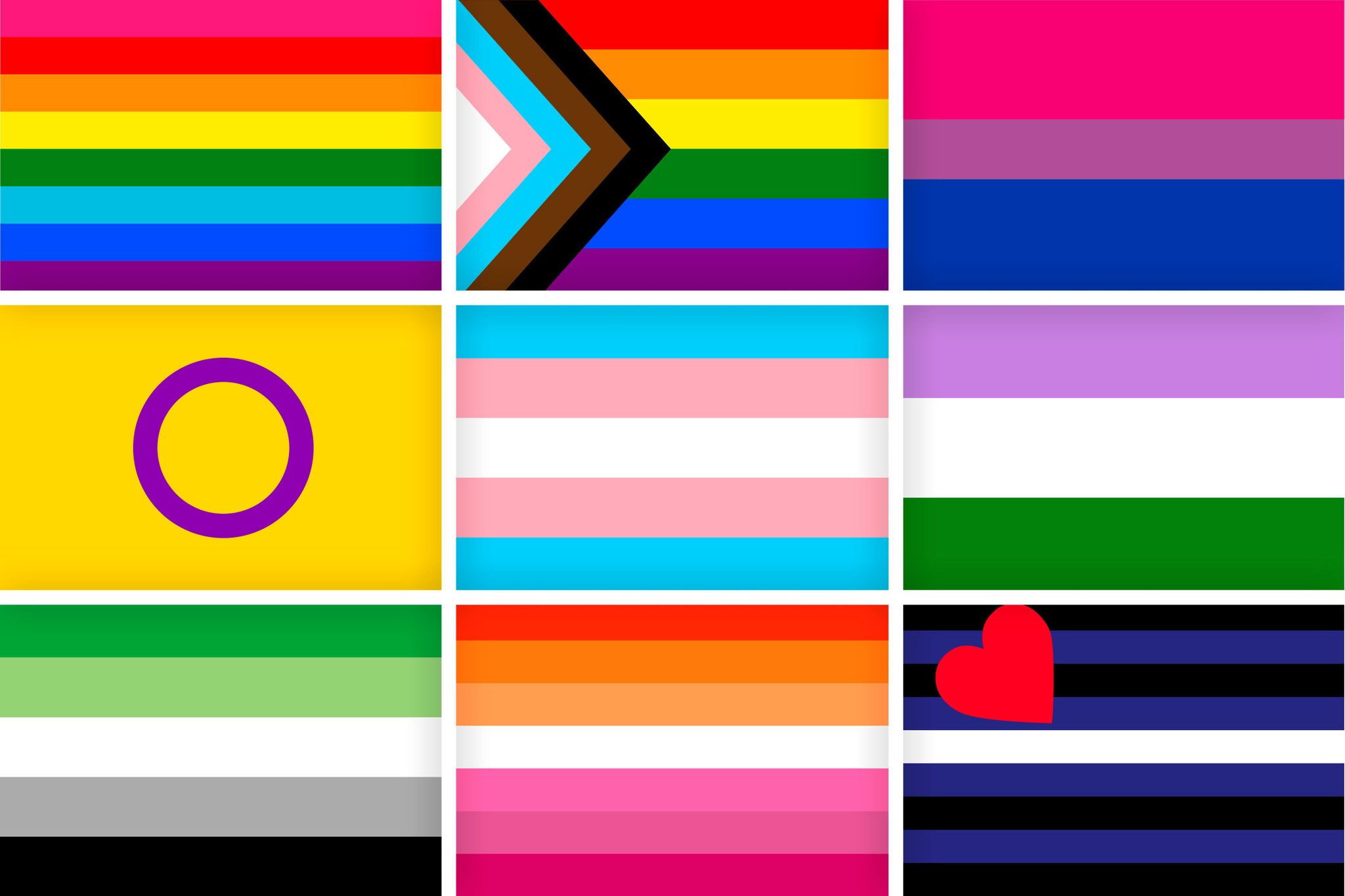
The journey begins with the letter "L," representing lesbian identity. Lesbianism has a rich historical legacy, from the poetry of Sappho in ancient Greece to the revolutionary movements of the 20th century. The struggles and triumphs of lesbian women have been instrumental in shaping the LGBTQIA+ community as we know it today.
Next, we encounter the letter "G," symbolizing gay identity. The gay rights movement erupted in the wake of the Stonewall Riots of 1969, igniting a flame of activism that continues to burn brightly. From Harvey Milk's historic election to the ongoing fight for marriage equality, gay individuals have made indelible contributions to the advancement of LGBTQIA+ rights.
The letter "B," in the spectrum represents bisexual identity. Bisexual individuals have long navigated the complexities of dual attraction, challenged societal norms, and expanded our understanding of human sexuality. Despite facing erasure and discrimination, bisexual voices continue to assert their visibility and validity within the community.
As we delve deeper, we encounter the letter "T," denoting transgender identity. Transgender individuals contrary to the conventional categorizations, assert their true selves in the face of immense societal pressure. The transgender rights movement has achieved significant milestones, yet the journey toward full acceptance and equality remains ongoing. As a queer-affirmative psychologist, I am committed to advocating for the rights and well-being of transgender individuals, affirming their identities and experiences without question.
Entwined with the fabric of LGBTQIA+ identity are the letters "Q," "I," and "A," representing queer, intersex, and asexual identities, respectively. Each letter signifies a unique aspect of human diversity, challenging conventional notions of gender and sexuality. Queer-affirmative psychology recognizes and celebrates the inherent value of all individuals, regardless of where they fall on the spectrum of identity.
Throughout history, the LGBTQIA+ community has faced adversity with courage and resilience. From the AIDS crisis of the 1980s to the ongoing fight against conversion therapy, queer individuals have stood united in the face of oppression, forging bonds of solidarity that transcend the boundaries of race, class, and nationality.
As a psychologist, I am humbled by the opportunity to bear witness to the stories of resilience and resistance that define the LGBTQIA+ experience. Each letter of the acronym represents a unique journey, a story of struggle and triumph, woven into the fabric of human history.
In the end, the LGBTQIA+ acronym is more than just a collection of letters; it is a testament to the beauty of human diversity and the power of community.
